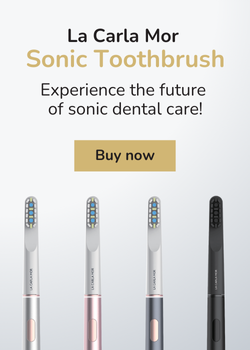
Sonic toothbrushes have become a popular choice for those looking to elevate their oral hygiene routine. But what exactly makes these toothbrushes so effective? In this article, we’ll explore how sonic toothbrushes work, their unique technology, and the benefits they offer compared to traditional manual and electric toothbrushes. If you’re considering investing in a sonic toothbrush, read on to understand how they can improve your dental health.
The Technology Behind Sonic Toothbrushes
Sonic toothbrushes use advanced technology to deliver a superior clean compared to manual and standard electric toothbrushes.
These brushes operate at a very high frequency, typically between 30,000 and 40,000 brush strokes per minute. This high-speed motion is what sets them apart from traditional electric toothbrushes, which usually range from 2,500 to 7,500 strokes per minute. The rapid vibrations create a dynamic fluid action that helps drive toothpaste and water into hard-to-reach areas between the teeth and along the gum line.
This unique cleaning action is what makes sonic toothbrushes so effective. The vibrations not only clean the surface of the teeth but also disrupt plaque and bacteria in areas that standard brushes might miss. This technology is particularly beneficial for people with braces, gum disease, or those looking to prevent dental problems before they start.
How Dynamic Fluid Action Works
One of the key features of sonic toothbrushes is their dynamic fluid action, a term often mentioned in product descriptions but not always well understood.
Dynamic fluid action refers to the way the high-frequency vibrations of the brush head agitate the mixture of saliva, water, and toothpaste in the mouth. This creates small, fast-moving bubbles that help to dislodge plaque and food particles from areas that the bristles can’t physically reach, such as between teeth and just below the gum line.
This means that even if the bristles don’t touch every surface directly, the fluid action can still provide a deep clean. It’s a unique advantage of sonic toothbrushes, making them particularly useful for those with crowded teeth or complex dental needs. This action is also gentle, reducing the risk of gum irritation while still providing a thorough clean.

Benefits of Using a Sonic Toothbrush
Sonic toothbrushes offer numerous benefits that can significantly improve your oral health.
Superior Plaque Removal
The high-frequency vibrations of a sonic toothbrush are highly effective at removing plaque from both the surface of the teeth and hard-to-reach areas. This helps to reduce the risk of cavities and gum disease.
Improved Gum Health
The gentle vibrations of a sonic toothbrush are less likely to cause gum irritation compared to manual brushing. The dynamic fluid action also helps to clean along the gum line, reducing inflammation and promoting better gum health.
Convenient Features
Many sonic toothbrushes come with features such as built-in timers and multiple brushing modes, making it easier to maintain good oral hygiene habits. These features can encourage users to brush for the recommended two minutes and apply the correct amount of pressure.
These benefits make sonic toothbrushes an excellent choice for those looking to upgrade their oral care routine and maintain a healthy, bright smile.
Sonic Toothbrush vs. Electric Toothbrush: What’s the Difference?
While both sonic and electric toothbrushes offer significant advantages over manual brushing, there are some key differences to consider.
Electric toothbrushes typically use oscillating or rotating movements to clean the teeth. They are effective at removing plaque but usually have lower vibration speeds compared to sonic toothbrushes. This means they rely more on the bristle movement to clean the teeth, which can sometimes be less effective in reaching tight spaces between teeth or below the gum line.
Sonic toothbrushes, on the other hand, use a combination of high-speed vibrations and dynamic fluid action. This allows them to clean areas that are difficult to reach with a regular electric brush. They also tend to be gentler on the gums, making them a better choice for people with sensitive gums or those prone to gum disease.
In summary, while both types can improve your oral hygiene, sonic toothbrushes offer a more thorough clean, particularly in those hard-to-reach areas.
Tips for Using a Sonic Toothbrush Effectively
To get the most out of your sonic toothbrush, it’s important to use it correctly. Here are some tips to ensure you’re making the most of this advanced technology:
- Use a Gentle Touch: You don’t need to apply much pressure when using a sonic toothbrush. Let the vibrations do the work for you. Pressing too hard can cause gum irritation and reduce the effectiveness of the cleaning action.
- Brush for Two Minutes: Most sonic toothbrushes come with built-in timers to help you brush for the recommended two minutes. Make sure to brush all four quadrants of your mouth for an even clean.
- Replace Brush Heads Regularly: For optimal performance, replace the brush head every three months or sooner if the bristles become frayed. Using a worn-out brush head can reduce the effectiveness of the toothbrush and may cause gum irritation.
By following these tips, you can ensure that your sonic toothbrush provides the best possible clean, keeping your teeth and gums healthy and strong.
Conclusion
Sonic toothbrushes offer a highly effective and advanced way to maintain oral hygiene. With their high-frequency vibrations and dynamic fluid action, they provide a deeper clean than traditional manual or electric toothbrushes. Whether you’re looking to improve your gum health, reduce plaque buildup, or simply upgrade your brushing routine, a sonic toothbrush could be the perfect solution for your dental care needs. By understanding how they work and using them correctly, you can enjoy the full benefits of this innovative technology and maintain a bright, healthy smile.